
GAME DETAIL
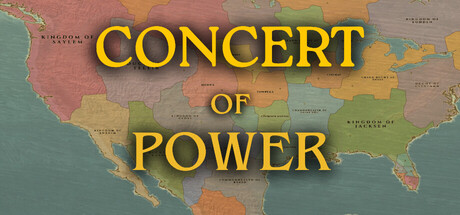
Concert of Power
種別:ゲーム
発売日:2026年第4四半期
日本語対応未確認
価格未定
Rule a shattered North America where every claim can become a crisis, and every crisis tests the balance of power. Build industry, command trade, forge treaties, isolate rivals, and decide whether to preserve the fragile order or become the power that breaks it.
このゲームについて
Steamの詳しい説明を読む
Concert of Power is a grand strategy game about ruling a nation in the fractured remains of North America. Kingdoms, republics, duchies, confederacies, and ambitious city-states compete across a continent where no power is strong enough to rule alone, and no border is accepted by everyone who lives behind it.
Your ambitions must look legitimate, necessary, and survivable
Claims Begin Conflict
Borders are political. The people inside them are older, messier, and harder to contain.
Ethnic communities, cultural ties, historic loyalties, old jurisdictions, and divided populations create claims across the map. A region may belong to one state, share culture with another, trade with a third, and remember a fourth. These tensions are where many conflicts begin.
A claim is an argument: that your people are there, your history is there, your security depends on it, or your rival has no right to keep it.
Strong claims make demands easier to justify. Weak claims need preparation, pressure, or deceit. Even a rightful claim can become dangerous if the rest of the continent thinks you are using justice as a mask for expansion.
Preserve the Balance, or Break It
Every nation is watching the board.
A rising power attracts rivals. A weakened neighbor invites demands. A guarantee can hold the peace, provoke a crisis, or become the excuse for war. Balance of Power is the measure of how threatening your ambitions look to everyone else.
Take one claimed border region cleanly, and the world may tolerate it. Take extra land, seize capitals, ignore warnings, break agreements, or keep expanding, and fear turns into policy. Concern becomes backing. Backing becomes warnings. Warnings become coalitions.
Every victory has two tests: whether you can take what you want, and whether you can do it without convincing everyone that you must be stopped.
Make Demands
Claims and ultimatums are tests of the international order.
When you demand a region, every interested power has to decide what the claim means to them. Some may support you. Some may back the target. Some may sell neutrality, demand compensation, seek arbitration, or issue a formal warning.
Your target may yield, stall for time, seek backers, buy you off, or dare you to escalate. The demand itself is only the first move. The real contest is over whether your claim looks strong enough, your support looks broad enough, and your threat looks worth believing.
Good diplomacy can make a demand feel inevitable.
Bad diplomacy can turn a border dispute into a continental alarm.
Build the State Behind the Threat
Power begins at home.
Feed your people, keep factories supplied, build ports, forts, offices, and industry, and turn grain, fish, timber, coal, iron, steel, weapons, and civilian goods into leverage.
A rich country can afford patience. A hungry country bargains with its hands tied.
Every building is part of the diplomatic machine. Mines feed factories. Factories arm soldiers. Ports open markets. Chanceries create the diplomatic reach needed to justify claims, court allies, influence neutrals, and keep pressure alive.
Every Nation Wants Something
Every state has reasons to act.
Some powers want restoration. Some want security. Some want markets, coal, ports, prestige, revenge, or a quiet border. A peacekeeper may tolerate one concession to prevent a larger war. An opportunist may sell neutrality today and betray it tomorrow. A trader may despise you and still need your grain.
Read the continent carefully. Nations remember who threatened them, who fed them, who abandoned them, who broke promises, and who returned land when the balance turned against them.
Win Before the War
The best wars begin with your enemy already alone.
Use diplomacy to turn fear into policy. Pull away guarantees. Court neighbors. Buy support, silence, or betrayal. Offer money, concessions, trade access, diplomatic cover, or future promises to shape how other powers respond when your claim becomes a crisis.
A nation only needs a reason to stand aside.
Everyone has principles. Most also have conditions.
Guarantees, Alliances, and Pressure
Guarantees are the scaffolding of the post-collapse order. They protect weak states, restrain ambitious ones, and give powerful nations a reason to interfere.
Use them to secure clients, deter attacks, or trap rivals into defending liabilities. Pressure other nations to abandon guarantees that no longer serve them. Turn a promise of protection into a bargaining chip, a warning, or a liability.
Alliances can make a demand easier to sell, while allies still bring interests, fears, trade ties, and conflicts of their own. A friend may back you, stay neutral, or ask what your ambition will cost them later.
A guarantee is peace written in pencil.
Trade Is Leverage
Markets are another way to move the balance.
Trade with rivals while peace is still useful. Support friendly states that keep your enemies occupied. Build economic relationships that create influence, dependency, and quiet obligations.
When pressure fails, embargo hostile powers, cut off key resources, and force other nations to choose between profit and alignment. An isolated rival may still have armies, but armies need food, money, weapons, trade routes, and political patience.
Invasion is only one way to weaken a nation.
Crisis and Escalation
A disputed region can become a diplomatic crisis. A crisis can become a continental test of prestige.
Escalate carefully to force concessions, or hold back while your rivals overcommit. Back down when the price is wrong. Push forward when the room is divided. In a balance-of-power system, restraint can be as ruthless as aggression.
Every crisis asks the same question: who is willing to risk the order, and who is only pretending?
False Flags and Manufactured Causes
Sometimes legitimacy has to be manufactured.
Stage provocations, shape blame, plant evidence, and create the justification your nation needs to act. A war with the right story is easier to sell at home, harder to oppose abroad, and more dangerous for rivals to ignore.
Lies are instruments with sharp limits. A weak story needs preparation. A careless operation can damage stability, expose your methods, stain your reliability, and turn cautious powers into enemies.
A clean false flag can limit Balance of Power backlash for the war it justifies. Greed, extra conquests, and visible patterns of expansion still draw the world toward resistance.
Power is strongest when it looks like necessity.
Fight Limited Wars
Limited wars let nations enforce claims, punish rivals, break guarantees, seize disputed territory, or rebalance a region without openly seeking destruction.
Limited wars stay contained while everyone believes the balance can still be restored. Win quickly and take only what your claim can explain, and the continent may tolerate the outcome. Drag the war out, seize capitals, or demand extra land, and even friendly states begin to wonder what you are becoming.
Make Conquest Stick
Taking land is only the first victory.
New regions bring old loyalties, cultural friction, damaged institutions, angry neighbors, and people with reasons to doubt your rule. Ethnic and cultural ties can make conquest easier to justify, but integration still takes time, resources, administration, and force.
A region can be won in a crisis and still cost you for years.
A Continent of Uneasy Powers
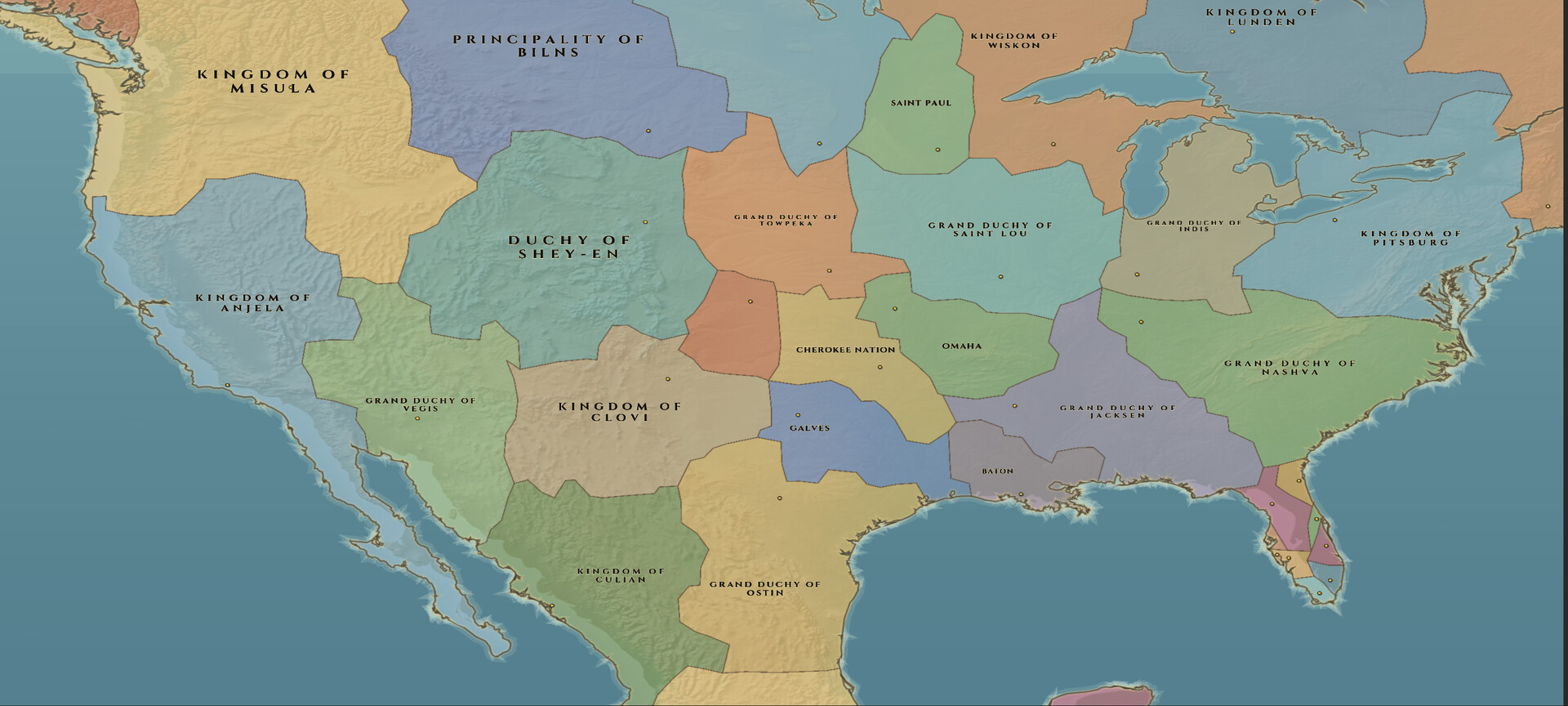
The map is familiar. The world has fractured into successor states with contested peoples, unstable borders, old claims, new titles, and dangerous ambitions.
Some powers want restoration.
Some want security.
Some want revenge.
Some simply want more.
The road to power is still open.
So is the road against you.
スクリーンショット
ATTENTION
注目度メトリクス
プレイヤー推移
データ蓄積中 24時間平均選択した期間に観測データはありません。
Steamフォロワー推移
2件以上で集計 直近7日選択した期間に観測データはありません。
プレイヤー数とフォロワー数は意味と単位が異なるため、 別々の時系列として表示しています。補間した値は使用していません。
発売前注目度の基礎指標 発売前タイトルのため、Steamフォロワー数と7日増加を中心に注目度を観測します。
| 指標 | 現在値 | 観測状況 |
|---|---|---|
| 現在プレイヤー数 | 未集計 | 最終観測:未集計 |
| 24時間ピーク | データ蓄積中 | 未集計・直近7日 0件 |
| Steamフォロワー数 | 8人 | 最終観測:2026年8月23日 23:01(32日経過) |
| 7日フォロワー増加 | 2件以上で集計 | 履歴あり・更新待ち・直近7日 0件 |
PlayMEXが保存した観測値です。取得時刻と観測数を あわせて確認できます。
ジャンル・機能
機能カテゴリ
ファミリーシェアリング
注目ポイント
更新あり 直近14日以内にSteamストア更新
ゲームライフログ
所有ゲームとして同期されると、 このゲームの記録を残せます。